Lifestyle & Loisirs

How to Choose the Best Private International School in Europe

4 min de lecture
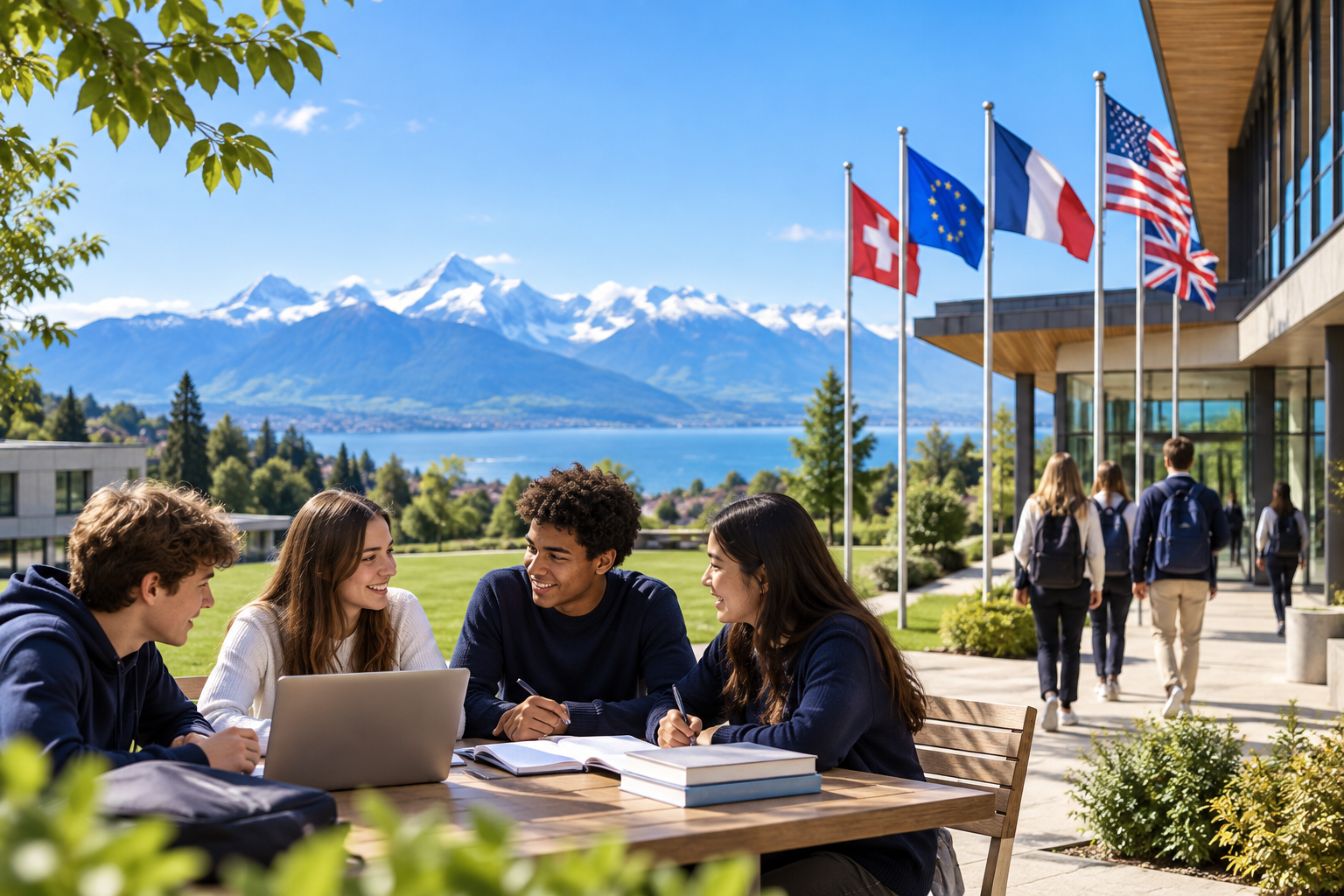
How to Choose the Best Private International School in Europe

Choosing the right school is one of the most important decisions a family can make. Europe offers an impressive range of private international schools, from traditional boarding institutions to innovative campuses combining international curricula with more flexible approaches to education. With so many options available, however, identifying the best environment for a particular student requires looking beyond reputation alone.

Families searching for an international education should consider academic quality, accreditation, class sizes, university preparation, extracurricular opportunities and the level of individual support offered to students. Location also matters, especially for international families who value accessibility and a multicultural environment.

One example of this evolving approach to international education is Grand Geneve International School, located in the French Alps near Lake Geneva. The school serves students in grades 6–12 and combines American online academic programs with daily, in-person guidance from teachers on its campus in France. According to the school, its academic pathways include WASC-accredited education, NCAA-approved core curriculum options and pathways recognized by UCAS in the United Kingdom.

Academic Excellence and International Recognition

A strong academic program should be one of the first criteria when comparing private international schools in Europe. Families should examine not only the subjects available but also whether qualifications are recognized internationally and whether students have access to advanced courses.

This becomes particularly important for students who may eventually apply to universities in different countries. Internationally oriented schools can help students maintain greater flexibility when deciding where to continue their education.

Advanced Placement courses, university counseling and internationally recognized academic pathways can therefore be valuable parts of an international-school education. Grand Genève International School, for example, says its programs include AP opportunities as well as individualized academic and college guidance.

The Importance of Personalized Learning

Students do not all learn in the same way. While some thrive in large traditional classrooms, others benefit from smaller groups, individualized study plans and closer contact with teachers.

Personalization is consequently becoming an important consideration when families compare international schools.

A hybrid model can provide another option. Students can complete elements of their academic program online while still attending a physical campus where teachers provide guidance and academic support. This can offer additional flexibility to students who have demanding commitments outside the classroom.

Grand Genève International School describes its approach as a combination of online instruction and on-site support. The school also emphasizes small classes and individualized development plans designed around each student's academic objectives and interests.

Education Beyond the Classroom

Academic results are only one part of a student's development. A well-rounded international education can also encourage independence, communication, critical thinking and participation in activities outside traditional coursework.

This can be particularly relevant for young people pursuing sport, music, entrepreneurship or other demanding interests.

Campus facilities can play an important role here. Grand Genève International School says its campus includes academic spaces alongside a gym, outdoor football fields, shared student areas and a performance and recovery center. The campus also hosts the Paris Saint-Germain Academy Pro Residency.

An International Learning Environment

One of the main advantages of attending an international school in Europe is exposure to students with different cultural and linguistic backgrounds.

Learning in a multicultural community can encourage students to encounter different perspectives and prepare for university and professional environments that are increasingly international. When comparing schools, parents may therefore want to investigate the composition of the student body, opportunities to learn languages and the ways in which students interact with classmates from other countries.

Location can contribute to this experience as well. A school situated near an international hub can offer both cultural exposure and practical advantages for families living across borders.

Finding the Right School for Each Student

There is ultimately no single private international school that will be the ideal choice for every student. The most suitable option depends on a child's academic needs, personality, interests and future plans.

Parents comparing schools should examine accreditation, curriculum, teaching methods, student support, class sizes, campus facilities and university counseling. Whenever possible, visiting a campus and speaking directly with teachers or admissions staff can also provide a much clearer picture of everyday school life.

Europe's private international education sector offers families a wide variety of possibilities. Whether they prefer a traditional boarding school or a modern hybrid learning environment, the key is to find a school where academic expectations, individual support and opportunities beyond the classroom align with the student's ambitions.


Partager cet article

Gabriel

Gabriel

Gabriel est un serial entrepreneur dans la cinquantaine, spécialisé dans la création et le développement d'entreprises innovantes. Fort de plusieurs lancements réussis et d'années d'expérience opérationnelle, il partage des analyses pratiques sur la stratégie, le leadership et la croissance. Il accompagne aujourd'hui des fondateurs en mentorat et investit dans des projets à fort potentiel.